Syria travel guide: everything for your first trip
Visas, entry, safety, money, transport and etiquette – explained clearly for travellers from Germany and Europe.
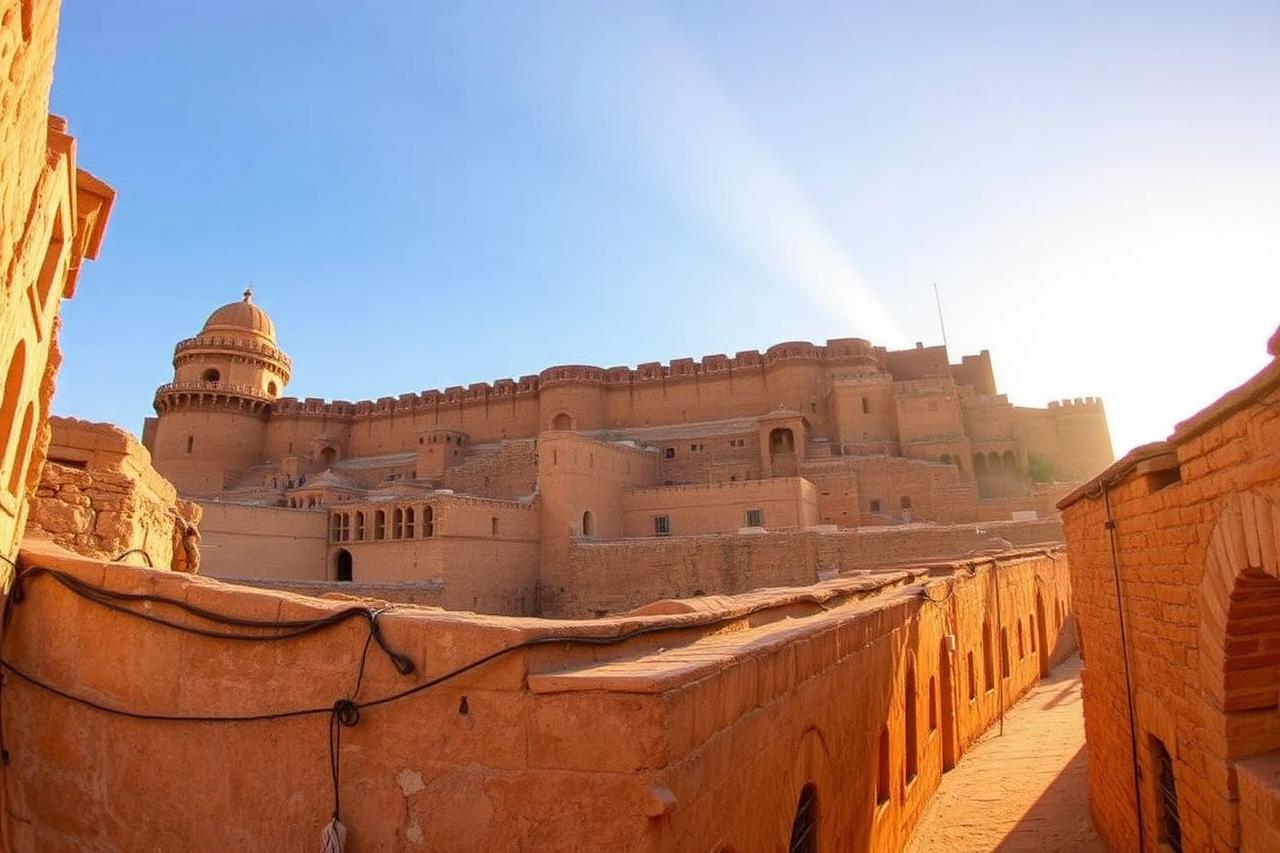
This Syria travel guide answers the questions we are asked most often. It does not replace official advice, but it gives you a realistic picture of what travel to Syria looks like today, from preparation at home to daily life on the ground.
Visa for Syria
Most European passport holders need a visa. Two routes are common: applying through a Syrian diplomatic mission, or an entry permit prepared by a local partner and issued on arrival. For groups, the second route is standard.
Allow at least three to four weeks. Your passport should be valid for at least six months on entry. An Israeli entry stamp will result in refusal of entry.
Syrian nationals face separate rules, including conscription-related ones. Clarify your situation before booking; we can point you to the right contacts.
Safety: a realistic view
Most European foreign ministries still advise against travel to Syria, nationwide, even though Damascus, the coast and parts of the west have become considerably calmer. Anyone travelling does so at their own risk.
In practice: avoid border regions in the north-east and south, never photograph military, checkpoints or government buildings, always move with local support and avoid unfamiliar neighbourhoods alone at night. Unexploded ordnance is a real risk in former front-line areas – stay on paved paths.
Buy travel insurance that genuinely covers Syria; most standard policies do not. German citizens should also register on the Foreign Office's ELEFAND crisis list.
What a trip to Syria costs
Syria is cheap compared with Europe, but no longer extremely cheap. Budget 15–40 EUR per night for a mid-range hotel, 3–8 EUR for a restaurant meal and roughly 60–100 EUR per day for a vehicle with driver, split across the group.
An eight-day group trip typically costs 1,000 to 1,900 EUR per person including accommodation, transport and guiding, excluding international flights. Flights from Germany add roughly 350 to 700 EUR.
Money, cards and internet
Syria is largely a cash economy. International credit and debit cards are unreliable, and ATMs for foreign cards are effectively unavailable. Bring euros or US dollars in cash, split across several places, and exchange in small amounts locally.
For data, buy a local Syriatel or MTN SIM card; you need your passport. Mobile coverage is workable in cities and slow in the countryside. Power cuts are routine, so pack a power bank.
Best time to visit
Spring (March to May) and autumn (September to November) are ideal: comfortable temperatures in Damascus and Aleppo and good weather on the coast. Summer inland gets very hot; in winter Damascus can approach freezing at night and Aleppo sees snow.
Clothing, etiquette and language
Syrian society is diverse. Damascus and the coast are often relaxed about dress, while conservative neighbourhoods and small towns are noticeably more modest. Covered shoulders and long trousers or skirts work everywhere; women wear a headscarf inside mosques.
A few Arabic words go a long way: marhaba (hello), shukran (thank you), kam? (how much?). English is often understood in hotels and by younger people, and German surprisingly often by returnees.
Only photograph people with their consent, especially in damaged neighbourhoods. Hospitality is overwhelming – expect repeated invitations for tea.
Packing and preparation checklist
- Passport valid for at least six months, plus copies
- Printed visa or entry permit
- Cash in euros or US dollars, undamaged notes
- Travel insurance that explicitly covers Syria
- Power bank and travel adapter (type C/E/L)
- Basic medical kit including electrolytes
- Modest lightweight clothing and a scarf for mosques
- Registration on your country's crisis list (ELEFAND for Germany)